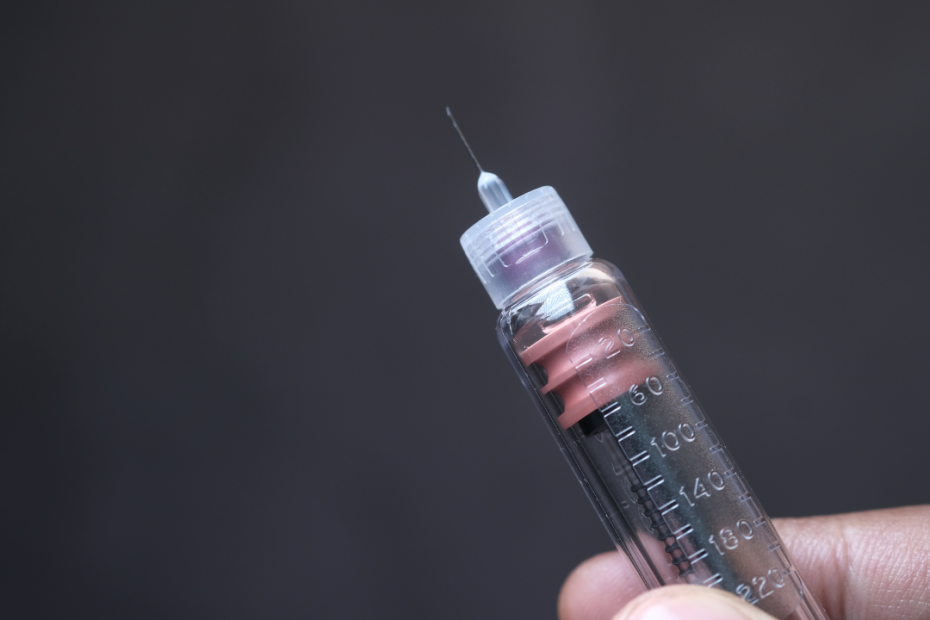
Pharmaceutical company Eli Lilly has clarified that although it has introduced newly designed KwikPens for its injectable drug Mounjaro, the changes will not include a price reduction. The pens still contain the same active medicine, and the adjustment is aimed at restricting a dosing practice known among users as the “golden dose.”
Mounjaro, a medication used primarily for type 2 diabetes and increasingly for weight loss, is supplied in pre-filled “KwikPen” injectors. Each standard pen is calibrated to deliver four full weekly doses, with a small amount of medication remaining, the so-called “leftover” or “dregs.” Some users have tried to extract this residual medication via syringe to obtain a fifth dose, effectively stretching the pen’s content. This practice has come to be labelled the “golden dose.”
Eli Lilly maintains that the residual medicine is required to ensure accurate dosing for each of the four intended doses. It says this leftover volume is part of the pen design and is essential for proper pen priming and precise delivery.
The newly launched version of the KwikPen has been modified to reduce the amount of leftover medication after the four required doses have been administered. The modification does not affect the total volume of medicine provided, nor does it alter the price, despite speculation among users that a smaller margin of leftover substance might also mean lower cost.
Eli Lilly has explicitly stated that the price of Mounjaro will remain the same, even after the introduction of the updated pen. This means that patients will not see a cost reduction in response to the new design.
The announcement has been met with frustration among users. Many feel that the design change, which limits the possibility of extracting the “golden dose,” amounts to a further blow following recent price hikes. These users argue that reducing waste should logically lead to cost savings being passed to them, but that has not been promised.
Some patients have expressed that while they understand the safety and dosing accuracy arguments, the timing of the change feels disadvantageous given increased financial strain. Others question whether patients will still attempt to draw extra doses, despite warnings from medical authorities.
Medical and regulatory professionals have weighed in, warning against attempts to extract leftover medication. They cite multiple risks, including infection (from improper handling or non-sterile syringes), incorrect dosage, and potential harm from using the medicine outside of how it has been tested and approved.
Eli Lilly emphasises that the new pen design retains the volume required for clinical dosing and for priming before each injection, thereby keeping the dosing schedule and medicine delivered as intended.
The announcement comes against the backdrop of recent price increases for Mounjaro. As of September 1, certain higher-dose versions of the drug now cost more than £300 per pen. Some media reports have framed this as a nearly 170% increase compared to previous costs.
The modified KwikPen, while approved in the UK, has a timeline for general availability that has not yet been confirmed by Eli Lilly. Existing pens will presumably continue to be available until supplies run down.
However, there are some things that consumers need to know.
- The updated KwikPen will maintain the same number of full doses (four), with reduced residual volume.
- No price reductions are being offered in connection with the new design.
- Using leftover medicine for a “fifth dose” remains discouraged, on safety and regulatory grounds.
- The modified KwikPen has been approved, but its rollout schedule in the UK is not yet finalised.
For patients relying on Mounjaro, the new pen design may bring marginal operational changes, less leftover medicine, altered handling or waste practices, but, crucially, no immediate financial relief. Stakeholders, including patient groups and regulatory agencies, will likely continue monitoring how these changes affect access, affordability, and safety.