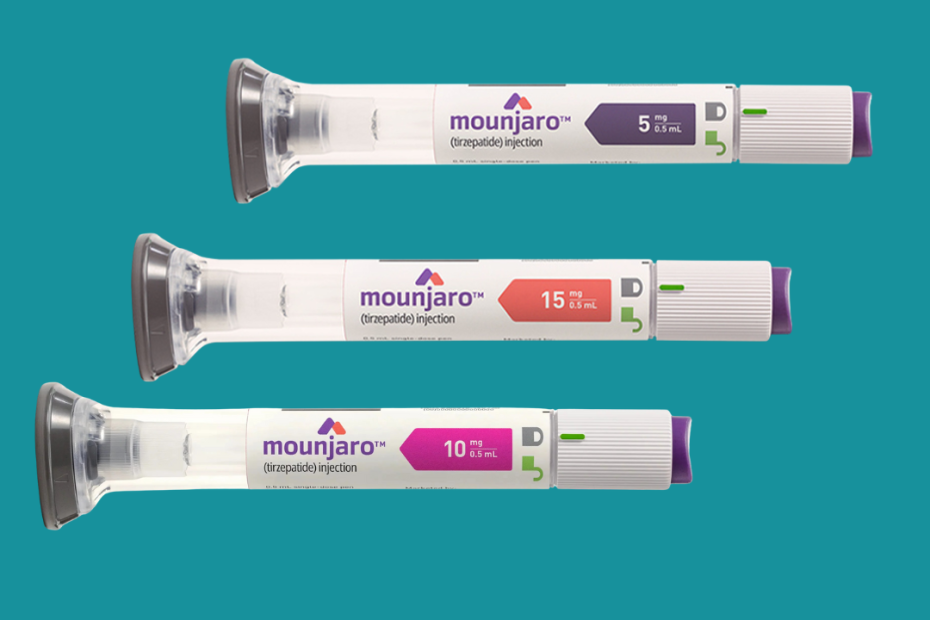
Pharmaceutical giant Eli Lilly has temporarily halted shipments of its popular weight-loss drug, Mounjaro, to the UK, citing skyrocketing demand ahead of a substantial price hike scheduled for early September.
From 1 September 2025, Eli Lilly will increase the UK list price of Mounjaro by up to 170%. This means that the cost for a month’s supply of the highest dose could jump from approximately £122 to £330. The company frames the move as part of an effort to more closely align its UK pricing with other European markets, a shift partly prompted by recent pressure from the White House for pharmaceutical companies to raise drug prices abroad in order to subsidise lower costs for U.S. consumers.
In response to surging demand triggered by the impending price increase, Eli Lilly has instructed its two wholesalers to pause accepting new orders, effective immediately, and plans to resume on 1 September. The company maintains that it has allocated supplies to pharmacies and providers to avoid disrupting patient access, and highlights the existence of legal protections to deter “inappropriate stockpiling” by distributors.
Despite these measures, pharmacies nationwide have reported a scramble to buy before the price rises. Superdrug, Boots, Lloyds, and other major chains have either run low or suspended new prescriptions, favouring ongoing patients to ensure continuity of treatment. Several pharmacies have introduced caps, limiting orders to a month’s supply per patient, and paused new patient access as a precaution.
The scramble hasn’t just caused shortages; it’s also driven patients to explore alternatives. Novo Nordisk’s Wegovy, another injectable weight-loss medication, has seen soaring interest, with some clinics reporting demand increases by 2,600%, and others noting surges between 40% to 350%. Providers like CheqUp report that up to 80% of their Mounjaro users may switch to Wegovy, amounting to more than 625,000 potential switches, based on estimated patient numbers.
Meanwhile, health officials warn against purchasing from unauthorised channels, citing dangerous risks associated with the “hidden economy” and counterfeit products. Authorities strongly urge patients to rely only on licensed providers. Indeed, recent seizures at Heathrow have uncovered more than 18,000 counterfeit weight-loss injection pens, highlighting the growing threat posed by illicit channels.
It’s important to note that the new price hike only affects privately purchased prescriptions; patients receiving Mounjaro through the NHS, available since late June, will not face the increased cost. However, NHS access remains inconsistent: only eight of 42 Integrated Care Boards (ICBs) in England are currently providing the drug, and uncertainty persists over wider availability. As a result, many patients reliant on private supply remain exposed to the disruption and financial burden.
Mounjaro (generic name tirzepatide) is an injectable drug originally developed for type-2 diabetes, but has exploded in popularity as a weight-loss treatment. It is often compared to, and chosen over, the more well-known Ozempic. When it launched in the UK in early 2024, Lilly priced it significantly lower than in other European countries to facilitate NHS access, an approach now being rebalanced.
The price increase has become a flashpoint amid broader tensions over global pharmaceutical pricing. U.S. President Donald Trump has pressured drugmakers to offer discounts domestically while raising prices abroad; Lilly’s move appears partly in response to this lobbying. Industry watchers warn that such cross-border pricing strategies can undermine equity in access and spark public backlash.
However, there are some things that patients should keep in mind:
- Private patients face a steep and sudden cost hike, up to 170% for some dosages.
- Supply interruptions are already happening, with pharmacies limiting new prescriptions and capping supplies to avoid depletion.
- Alternatives like Wegovy have become more attractive amid cost concerns, but switching medications requires medical consultation.
- NHS access remains steady for now; those eligible through the health service won’t be affected by the price change.
- Caution is critical: patients should avoid unauthorised sellers and counterfeit risks, and adhere to their treatment plans with professional advice.
In summary, Eli Lilly’s decision to pause UK shipments of Mounjaro ahead of a steep price increase underscores the complex interplay between market dynamics, political pressure, and patient access. As September approaches, the fallout, ranging from supply bottlenecks to changes in prescribing behaviour, will bear close watching for its wider implications on health equality and pharmaceutical policy.