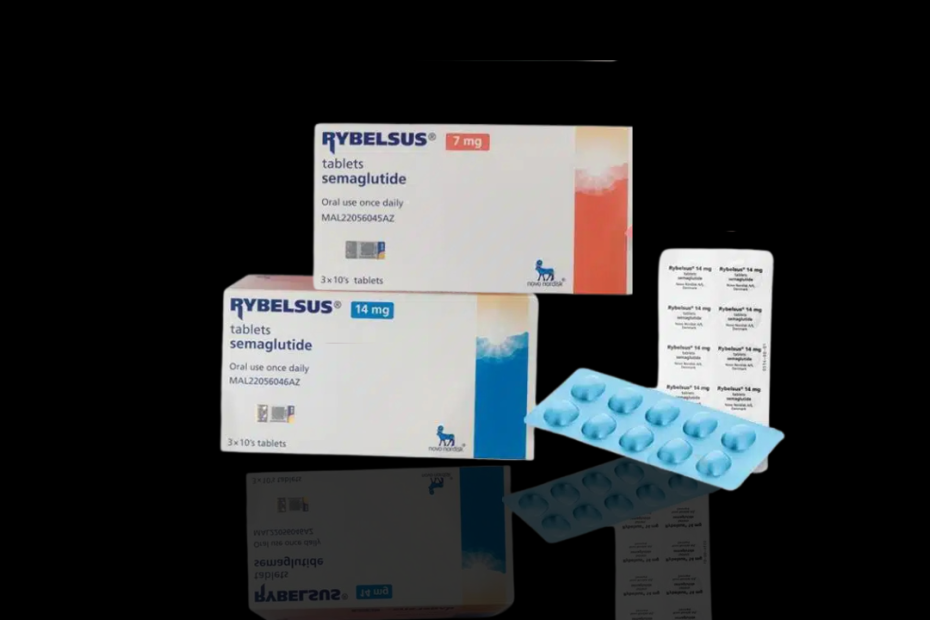
A new development in the treatment of type 2 diabetes (T2D) suggests that oral semaglutide, a GLP-1 receptor agonist, could offer additional benefits beyond blood glucose control, potentially lowering serum uric acid (SU) levels. These findings were reported on 2nd September, 2025, by Rheumatology Advisor, following insights from recent clinical observations.
Semaglutide is well-known under brand names such as Ozempic (injectable), Wegovy (weight management), and Rybelsus (oral). It mimics the hormone GLP-1, helping the body produce insulin, suppress appetite, and slow digestion, resulting in improved blood sugar control and often significant weight loss.
The reported data suggest that oral semaglutide may reduce SU levels in patients with type 2 diabetes, particularly among those already diagnosed with hyperuricemia (elevated uric acid). Although details on the magnitude of this effect are limited, the findings point to a potentially beneficial side effect that may help reduce the risk of gout and other metabolic conditions associated with high uric acid levels.
Gout and elevated SU are common comorbidities in people living with type 2 diabetes, particularly in middle-aged and older adults. Not only could lowered uric acid improve joint health and reduce gout risk, but it may also offer cardiovascular and renal benefits. Considering the NHS’s focus on holistic disease management, this finding may hold promise for more comprehensive patient care pathways.
Although originally designed to manage blood glucose and aid weight loss, semaglutide’s range of benefits continues to grow. Notably:
- It improves glycaemic control and promotes weight loss.
- It has demonstrated cardiovascular protective effects in clinical trials like SELECT and SUSTAIN.
- Now, early evidence suggests a role in lowering uric acid levels, a potential boon for those with elevated SU or gout risk.
While these findings are encouraging, they are still preliminary. More rigorous trials and peer-reviewed studies are needed to confirm the consistency and clinical significance of this uric acid-lowering effect.
For people with T2D already taking or considering oral semaglutide, this development offers an added angle of benefit that may influence treatment decisions. It’s especially relevant for patients with: Existing hyperuricemia or gout, Metabolic syndrome components including obesity and cardiovascular risk.
Clinicians may want to monitor SU levels when initiating or adjusting semaglutide, especially in patients with known gout, and consider whether the medication’s broader metabolic effects may complement or reduce the need for additional uric-acid-lowering treatments.
While further investigation is needed to establish causality and quantify benefits, the potential dual impact on blood sugar and uric acid presents a compelling case for integrated patient management strategies. If substantiated, semaglutide could serve as a two-for-one approach in diabetes care, helping manage both glycaemia and uric acid levels simultaneously.
If confirmed by larger, controlled trials, this unexpected bonus effect of semaglutide could further cement its place in the therapeutic arsenal for managing type 2 diabetes and related metabolic conditions.