New market research by Circana LLC suggests that the surge in use of GLP-1 medications is not only a healthcare story , it’s reshaping how millions of Americans shop for food and drink. According to the report, by 2030, households with someone on a GLP-1 treatment are projected to represent 35 per cent of all food and beverage units sold in the US.
Circana estimates that currently 23 per cent of US households include someone using a GLP-1 drug. As more people take these medications , widely prescribed for type 2 diabetes but increasingly used for weight loss , their buying habits are shifting dramatically.
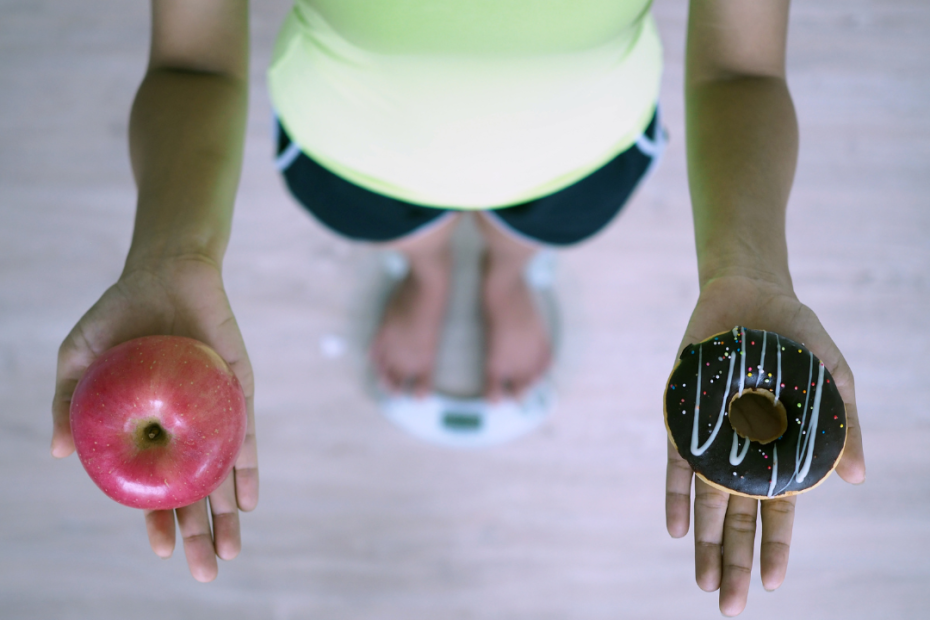
One of the most striking changes: GLP-1 users are increasingly prioritising healthier foods. According to the research, households on these medications are choosing items higher in protein, fibre, and healthy fats, while reducing purchases of high-sugar and high-carbohydrate foods.
Interestingly, the report finds that GLP-1 users are spending less in traditional retail food outlets, but increasing their spend at restaurants. However, over the longer term, their overall spending on food remains strong: GLP-1 households still outspend non-users, despite reducing certain grocery purchases.
After some users stop taking the medication, purchasing patterns don’t fully revert. While some habits , like buying frozen or refrigerated items , rebound, others stick: for example, more spending on fresh produce, personal-care items, and storage products continues.
Sally Lyons Wyatt, Global Executive Vice-President and Chief Advisor at Circana, told industry leaders that this is a “huge moment for the CPG [consumer-packaged goods] industry.”The data show that the health priorities of GLP-1 users are evolving quickly, and manufacturers and retailers need to keep up.
Circana’s work aligns with other industry commentary. According to a Food Business News report, GLP-1 prescriptions have climbed sharply, with 2.9 million more scripts written between September 2024 and September 2025. Brands that can tap into the changing tastes of GLP-1 users , particularly by offering higher-protein and lower-sugar options , may find a growing market.
The impact is not limited to food alone. Circana also projects that 37 per cent of non-food CPG unit sales will originate from GLP-1 households by 2030. This suggests the influence of GLP-1 users is broad, extending into personal care and household goods.
Analysts outside Circana also warn of longer-term disruption. Researchers at Purdue University, for example, note that GLP-1 adoption tends to reduce overall food consumption in households, especially in categories like processed foods and sugary snacks.
Food manufacturers are already responding. According to a report in FoodNavigator, companies are rethinking their product ranges to cater to GLP-1 users. This could mean more high-protein, low-sugar products, or even foods specifically designed to help users maintain muscle mass, which some lose as a side-effect of the drugs.
Circana itself recommends that brands develop “creative solutions” , from recipe innovation to packaging redesign , to better align with the preferences of GLP-1 households.
While this research is US-focused, its implications are relevant to the UK. GLP-1 medications such as Wegovy and Ozempic are used for weight management and diabetes, and similar shifts in consumer behaviour could begin to appear in British markets.
For food and drink companies, the trend highlights a potential opportunity: product ranges tailored for GLP-1 users might soon become a meaningful niche. This could include higher-protein snacks, smaller-portioned meals, or reformulated core grocery items , all aligned with the more health-conscious purchases seen in the US.
Retailers may also need to think differently about store layouts, category focus, and marketing strategies if a significant portion of consumers start prioritising wellness over indulgence.
Circana’s report underscores a major shift in consumer behaviour driven by the rapid uptake of GLP-1 medications. As use continues to expand, it’s not just medical outcomes that are being transformed , whole grocery baskets, restaurant spending, and even non-food purchases are being reshaped.
For businesses , the message is clear: take heed of this emerging class of health-focused consumers. Brands and retailers that anticipate and adapt to their changing needs could be well placed to thrive in a post-GLP-1 world.
Sources:
1. Circana research report. Circana+1
2. Food Business News analysis. foodbusinessnews.net
3. Purdue University research on GLP-1 impact. agribusiness.purdue.edu
4. IndustryIntel summary of spending shifts. Industry Intelligence Inc.
5. FoodNavigator on food-brand innovation. FoodNavigator.com